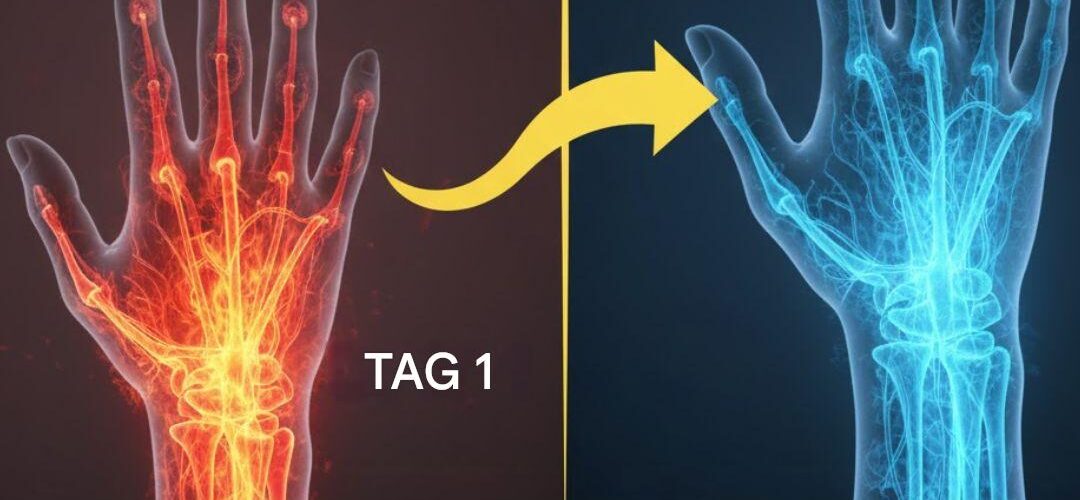
Bereit für ein fantastisches Samenabenteuer? Heute enthüllen wir die unglaubliche Kraft dieser kleinen Schätze, die wahrscheinlich auch in Ihrem Vorratsschrank schlummern. Stellen Sie sich diese Samen als wahre Superhelden vor, jeder mit seiner eigenen Geschichte und unglaublichen Vorteilen, insbesondere für Ihre Nerven. Wir sprechen von den „Fab Four“: Chia-, Hanf-, Leinsamen und Kürbiskernen. Sie sind nicht einfach nur Lebensmittel, sondern kleine Nährstoff-Superhelden, die Ihre Gesundheit stärken und Ihre Nerven regenerieren können. Lehnen Sie sich also zurück und entdecken Sie, wie diese vier Kraftpakete Sie nähren und heilen können. (Dieser Artikel basiert auf dem Fachwissen von Dr. Valarie Monteiro.)
Die antiken Ursprünge und die moderne Anziehungskraft von Saatgut
Diese Samen blicken auf eine lange und ereignisreiche Geschichte zurück, die Jahrhunderte zurückreicht und in der sie eine wichtige Rolle für den Erhalt antiker Zivilisationen spielten. Von den aztekischen und Maya-Kriegern, die auf Chiasamen für Energie und Ausdauer setzten, über die Ägypter, die Hanf für Seile, Segel und Kleidung verwendeten, bis hin zu den Babyloniern, die Flachs für Nahrungsmittel und Textilien anbauten – diese Samen wurden stets hoch geschätzt. Selbst Kürbiskerne, die oft übersehen werden, haben eine reiche und faszinierende Geschichte. Es ist erstaunlich, wie diese kleinen, unscheinbaren Samen die Menschen so lange ernährt haben und nun in modernen Gesundheitstrends ein großes Comeback feiern.
1. Chiasamen: Das kleine Kraftpaket
Chiasamen, die ihren Ursprung in den alten aztekischen und Maya-Kulturen haben, waren einst eine lebenswichtige Nahrungsquelle, die Krieger stärkte und ganze Gemeinschaften ernährte. Sie waren so wertvoll, dass sie in religiösen Zeremonien und sogar als Zahlungsmittel verwendet wurden. Trotz ihrer geringen Größe sind Chiasamen äußerst nährstoffreich. Sie enthalten viele Proteine, Ballaststoffe, Antioxidantien, Mineralstoffe und essentielle Omega-3-Fettsäuren.
Wichtigste Erkenntnisse zu Chiasamen:
- Ballaststoffreich: Eine Portion liefert eine beträchtliche Menge an löslichen Ballaststoffen, die die Darmbakterien unterstützen und Entzündungen reduzieren.
- Vollständiges Protein: Enthält alle neun essentiellen Aminosäuren, die für die Zellfunktion unerlässlich sind.
- Calcium-Boost: Bietet mehr Calcium als Milch und unterstützt so die Knochengesundheit.
- Omega-3-Quelle: Liefert pflanzliche Omega-3-Fettsäuren, die für die Gesundheit von Gehirn und Nerven unerlässlich sind.
- Mineralstoffreichtum: Reich an Mangan, Phosphor, Kupfer, Selen, Eisen und Magnesium, die alle für verschiedene Körperfunktionen, einschließlich der Nervengesundheit, lebenswichtig sind.
- Antioxidative Wirkung: Enthält Antioxidantien wie Quercetin, das die Kommunikation und Regeneration von Nervenzellen unterstützt.
Chia seeds are particularly noted for their high fiber content, with just two tablespoons offering around 11 grams of soluble fiber. This type of fiber feeds your gut’s probiotics, promoting digestive health and reducing inflammation. They also boast a higher protein content than most plants, providing all nine essential amino acids, making them a complete protein source. This is particularly important since your body cannot produce these amino acids on its own. Just a couple of tablespoons give you 5 grams of protein.
Surprisingly, chia seeds contain more calcium than milk. Two ounces of chia seeds provide 360 mg of calcium, compared to 300 mg in 8 ounces of milk. They are also an excellent plant-based source of omega-3 fatty acids, even more so than flax seeds. Omega-3s are crucial for maintaining the health of your nerve cell membranes and ensuring communication between neurons. They might even help prevent neurodegenerative disorders. However, it’s worth noting that the omega-3s in chia seeds (ALA) aren’t as potent as the EPA and DHA found in fish oil, which your body can use more directly.
Chia seeds are packed with minerals like manganese (important for metabolism and development), phosphorus (for bone health), copper (important for heart and nerve function), selenium (which protects nerve cells), iron (for oxygen transport to nerves), and magnesium. Magnesium is particularly important for nerve function, blood sugar regulation, and blood pressure control. Many people are deficient in magnesium, and low levels can affect other minerals like calcium and potassium. One ounce of chia seeds provides 95 mg of magnesium.
Calcium, the most abundant mineral in your body, is essential for not only bone health but also nerve signal transmission and reducing inflammation. The antioxidants in chia seeds, such as quercetin, protect your nerves from damage caused by free radicals. These antioxidants also protect the omega-3 fats in the seeds, extending their shelf life. Quercetin, in particular, is known to improve nerve cell communication and promote regeneration, even supporting immune function.
2. Hemp Seeds: The Complete Protein Champion
Hemp seeds, though often misunderstood, have been recognized for their versatility and nutritional value since ancient times. The Chinese used them as a food source as early as 2800 BCE, and the ancient Egyptians valued them for their use in ropes, sails, and clothing. Today, hemp seeds are recognized for their excellent nutritional profile.
Key Takeaways for Hemp Seeds:
- Superior Protein: Contains nearly double the protein of chia seeds and is a complete protein source.
- Mineral Rich: Provide copper, manganese, magnesium, phosphorus, calcium, iron, and zinc.
- Zinc’s Role: Vital for brain health, promoting antioxidant effects and new nerve growth.
- B Vitamins: Offer a solid range of B vitamins (B1, B2, B3, B5, B6), important for metabolism and nerve function.
Hemp seeds are an excellent source of plant-based protein, surpassing chia seeds. One ounce of hemp seeds contains 9.5 grams of complete protein, compared to chia seeds’ 5 grams. Research suggests that hemp protein is well-absorbed by the body. While hemp seeds don’t have as much fiber as chia seeds (1 gram per ounce), they deliver a powerful array of minerals, including copper, manganese, magnesium, phosphorus, calcium, iron, and zinc. Zinc is particularly important for brain health, supporting antioxidant effects and neurogenesis (new nerve growth). It also plays a key role in immune function and healing.
Hemp seeds also stand out for their B vitamin content, offering B1, B2, B3, B5, and B6, which are crucial for metabolism and maintaining healthy nerve function. While chia seeds provide some minerals and omega-3s, hemp seeds shine with their higher protein content and B vitamins, making them a strong contender in the seed superfood category.
3. Flax Seeds: The Fiber and Lignan Powerhouse
Flax seeds, cultivated in Mesopotamia by the Babylonians for their fiber (used for linen) and as a significant food source, were cherished across ancient cultures. Today, flax seeds have made a strong comeback, appreciated for their health benefits.
Key Takeaways for Flax Seeds:
- Fiber Source: Provide both soluble and insoluble fiber, aiding digestion and regularity.
- Omega-3 Content: A good source of plant-based omega-3s (ALA), though the conversion to EPA/DHA is inefficient.
- Lignans: Contain lignans, potent compounds with anti-cancer and nerve-regenerating properties.
- Vitamins and Minerals: Offer thiamine (B1) and minerals like magnesium, copper, and phosphorus.
Flax seeds are an excellent source of omega-3 fatty acids and dietary fiber. It’s recommended to buy them whole and grind them yourself in small batches, then refrigerate the unused portion, as ground flax seeds can oxidize quickly, losing their health benefits. Flax seeds provide both soluble and insoluble fiber, which helps regulate blood sugar and cholesterol, feeds beneficial gut bacteria, and contributes to digestive health. The combination of fibers makes flax seeds a natural laxative, promoting regular bowel movements.
While flax seeds contain many essential amino acids, they aren’t considered a complete protein because they lack the amino acid lysine. Therefore, they’re not the primary choice for protein needs, with hemp seeds being a better option. Flax seeds are second only to chia seeds in terms of plant-based omega-3s. However, it’s important to remember that plant-based omega-3s (ALA) need to be converted by the body into EPA and DHA, a process that is quite inefficient. Studies suggest only about 8-21% of ALA converts to EPA, and even less to DHA. Since EPA and DHA are critical for brain and nerve health, consuming fish or fish oil is a more direct way to get these beneficial fats.
Flax seed oil carries many of the same benefits but should never be heated, as heat destroys its health properties. Flax seeds are also a great source of thiamine (B1), which is essential for metabolism and nerve function, and manganese, a trace mineral important for brain and nerve cells that can help prevent nerve cell degeneration. They also contain magnesium, copper, and phosphorus. The most notable compound in flax seeds is lignan, which is found in much higher concentrations than in other foods. Lignans have been shown to play a vital role in nerve regeneration after injury, assist in cancer and heart disease prevention, and help maintain bone strength.
4. Pumpkin Seeds: The Underappreciated Nutrient Powerhouse
Pumpkin seeds, also known as pepitas, are the seeds found inside pumpkins. They are typically cleaned, roasted, or dried. Raw pumpkin seeds generally offer a stronger nutritional profile than roasted ones.
Key Takeaways for Pumpkin Seeds:
- Good Protein Source: Provide a decent amount of protein, though not a complete protein.
- Omega-3s: Contain plant-based omega-3 fatty acids (ALA).
- Rich in Vitamins & Minerals: Loaded with manganese, copper, magnesium, phosphorus, potassium, sodium, iron, zinc, and various B vitamins, plus vitamins C, K, and E.
- Antioxidant Rich: Contain phenolic acids and flavonoids, which are anti-inflammatory, anti-cancer, antiviral, and neuroprotective.
- Potential Cancer Benefits: Studies suggest lignans in pumpkin seeds may help prevent and treat breast cancer.
- Prostate Health: May help reduce symptoms associated with an enlarged prostate (BPH).
Two ounces of pumpkin seeds contain 5 grams of protein. While they contain all nine essential amino acids, they are not considered a complete protein due to low levels of methionine and tryptophan. Like the other seeds, pumpkin seeds are rich in omega-3 fatty acids in the form of ALA. They are also packed with a wide range of vitamins and minerals, including manganese, copper, magnesium, phosphorus, potassium, sodium, iron, zinc, and various B vitamins, as well as vitamins C, K, and E.
Diese unscheinbaren Samen sind reich an Antioxidantien wie Phenolsäuren und Flavonoiden. Flavonoide besitzen insbesondere entzündungshemmende, krebshemmende, antivirale und neuroprotektive Eigenschaften und können somit die Nerven vor Schäden schützen. Eine Studie aus dem Jahr 2002 deutete darauf hin, dass der Verzehr von Kürbiskernen mit einem geringeren Brustkrebsrisiko bei Frauen nach den Wechseljahren verbunden ist. Weitere Studien legen nahe, dass die in Kürbiskernen enthaltenen Lignane eine Rolle bei der Prävention und Behandlung von Brustkrebs spielen könnten. Darüber hinaus haben mehrere Studien gezeigt, dass der Verzehr von Kürbiskernen die Symptome einer gutartigen Prostatavergrößerung (BPH), die Harnwegsprobleme verursachen kann, lindern kann.
Die Saat des Wandels annehmen
Zum Abschluss unserer Erkundung von Chia-, Hanf-, Leinsamen und Kürbiskernen wird deutlich, dass sie eine wahre Nährstoffvielfalt bieten und ein enormes Heilungspotenzial besitzen. Ob Sie nun Chia-Pudding genießen, Hanfsamen über Ihren Salat streuen, gemahlene Leinsamen in Ihren Smoothie geben oder Kürbiskerne knabbern – Sie profitieren von einer jahrhundertealten und kulturübergreifenden Tradition der Ernährung. Diese kleinen Samen haben eine enorme Wirkung und tragen zu einer besseren Nervengesundheit und einem gesteigerten allgemeinen Wohlbefinden bei. Integrieren Sie diese Kraftpakete also in Ihre Ernährung für eine gesündere und vitalere Zukunft.