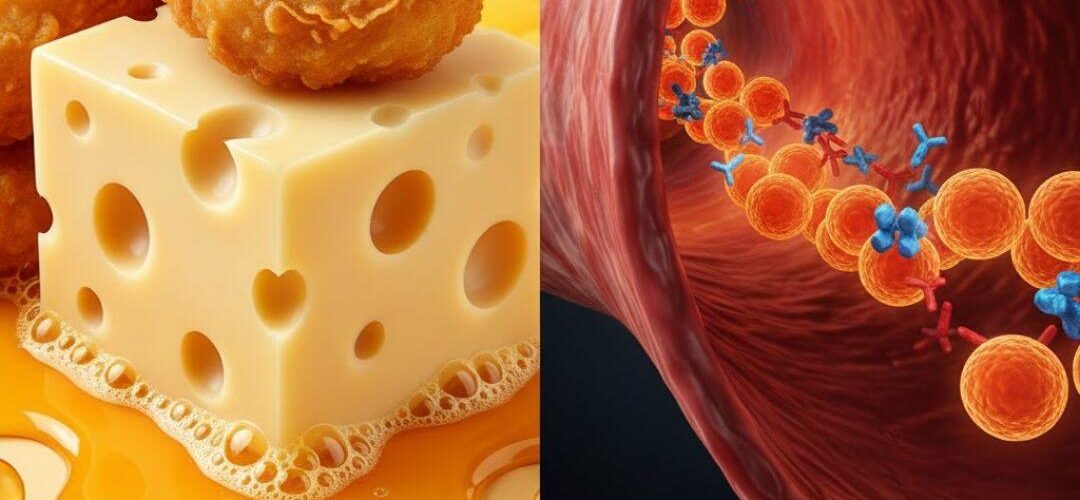
Was wäre, wenn ich Ihnen sagen würde, dass bis zu 90 % der Fälle von Typ-2-Diabetes heilbar wären ? Es mag unglaublich klingen, aber diese Zahl spiegelt eine wachsende Zahl von Forschungsergebnissen wider, die zeigen, dass die meisten Menschen viel mehr Einfluss auf ihre Stoffwechselgesundheit haben, als ihnen bewusst ist. Für Millionen beginnt der Weg zu besserer Gesundheit nicht in der Apotheke, sondern in der Küche – auf dem Teller und bei der täglichen Lebensmittelauswahl. Das eigentliche Problem sind weder ungünstige Gene noch mangelnde Willenskraft. Es liegt vielmehr daran, dass viele alltägliche Lebensmittel, darunter auch solche, die als „gesund“ oder „diabetikerfreundlich“ vermarktet werden, unbemerkt eine sogenannte Insulinresistenz fördern . Diese stille Stoffwechselstörung hält den Blutzuckerspiegel erhöht und setzt den Körper unter ständigen Druck.
Viele glauben immer noch, dass es bei der Diabetesbehandlung ausschließlich um die Reduzierung oder das Zählen von Kohlenhydraten geht. Kohlenhydrate beeinflussen zwar den Blutzuckerspiegel, sind aber nicht die Hauptursache für Insulinresistenz. Das eigentliche Problem ist oft ein Überschuss an Nahrungsfetten , insbesondere aus bestimmten Quellen, die sich in Muskel- und Leberzellen ansammeln. Diese Fette blockieren die Wirkung des Insulins und führen dazu, dass Glukose im Blutkreislauf verbleibt. In diesem Artikel beleuchten wir fünf wichtige Lebensmittelgruppen , die den Blutzuckerspiegel stören und die Diabetesbehandlung erschweren. Indem Sie deren Auswirkungen verstehen, können Sie bewusst Entscheidungen treffen, die Ihre Gesundheit fördern, anstatt ihr zu schaden.
(Basierend auf Erkenntnissen von Dr. Cyrus Khambatta.)
Wichtigste Erkenntnisse
- Der Hauptfaktor für einen hohen Blutzuckerspiegel bei Typ-2-Diabetes ist die Insulinresistenz , nicht allein der Kohlenhydratkonsum.
- Überschüssiges Fett – insbesondere gesättigte und verarbeitete Fette – sammelt sich in den Muskel- und Leberzellen an und blockiert die Fähigkeit des Insulins, Glukose ins Innere zu transportieren .
- Viele als „gesund“ gekennzeichnete Lebensmittel, wie beispielsweise Proteinriegel, Shakes und kohlenhydratarme Snacks, enthalten versteckte Fette und Zusatzstoffe, die die Blutzuckerkontrolle beeinträchtigen.
- Der Verzicht auf fünf bestimmte Lebensmittelgruppen kann Ihre Insulinsensitivität deutlich verbessern und dazu beitragen, den Blutzucker auf natürliche Weise zu senken.
- Eine Ernährung, die auf vollwertigen, pflanzlichen Lebensmitteln – Obst, Gemüse, Hülsenfrüchten und Vollkornprodukten – basiert, ist eine der effektivsten Strategien, um die Medikamentenabhängigkeit zu verringern und in vielen Fällen Typ-2-Diabetes umzukehren.
1. Frittierte Speisen: Die „Ölpest“ in Ihren Arterien
The crisp, golden crunch of fried chicken, french fries, or onion rings is undeniably tempting—but it comes with a heavy metabolic price. Frying submerges food in hot oil, turning it into a sponge that absorbs large amounts of fat. This doesn’t just add extra calories; it fundamentally transforms the food in a way that disrupts your cellular health.
Once in the bloodstream, these fats travel to your muscle and liver cells, creating internal congestion that prevents insulin from delivering glucose into the cells. This is the very root of insulin resistance.
High-heat frying also produces substances known as Advanced Glycation End Products (AGEs)—damaging compounds that act like “rust” inside your body. They trigger inflammation, accelerate aging, and make insulin resistance significantly worse.
Scientific evidence supports this. In the famous Nurses’ Health Study, people who consumed fried foods four to six times per week had a 39% higher risk of developing type 2 diabetes compared with those who ate them less than once weekly.
If you crave the crunchy texture, there are healthier alternatives:
- bake potato wedges with herbs,
- roast chickpeas until crispy,
- or use an air fryer to mimic frying without drowning your food in oil.
2. The “Healthy” Processed Food Trap
The grocery store shelves are full of items that look like smart choices: protein bars, meal replacement shakes, low-carb frozen dinners, and high-protein snacks. But these products often belong to a deceptive “health food” trap. Their packaging may claim they’re nutritious, but most are highly processed, stripped of fiber, and loaded with artificial ingredients your body struggles to process.
Whole foods like apples, lentils, or oats contain natural fiber, water, and nutrients that slow digestion and lead to a steady release of glucose. In contrast, processed foods typically contain:
- refined protein isolates,
- hidden oils,
- sugar alcohols,
- flavor enhancers,
- and a long list of chemical stabilizers.
Research consistently shows that diets rich in processed foods—especially processed foods high in fat—impair both fasting blood sugar and insulin sensitivity. Your body was built to recognize real food, not laboratory-engineered formulations.
A simple rule of thumb:
If the ingredient list is long, unpronounceable, or synthetic-sounding, it’s probably not supporting your metabolic health.
3. High-Fat Foods: Unmasking the Biggest Myth in Diabetes Nutrition
For years, many people with diabetes were told to “cut the carbs” and increase their intake of fats and proteins. This advice led to widespread consumption of oils, fatty meats, butter, cheese, and creamy sauces—foods believed to be harmless because they don’t immediately spike blood sugar. But this is one of the most damaging nutrition myths for people with diabetes.
The central issue in type 2 diabetes is not high blood sugar itself; it is insulin resistance. And insulin resistance is driven primarily by lipid buildup inside cells—a process called lipotoxicity.
Imagine your muscle cell is a room.
- Glucose is a person trying to enter.
- Insulin is the key that unlocks the door.
When you eat too much fat, you fill that room with clutter. Insulin arrives with the key, but the door is blocked. Glucose ends up stuck in the hallway—the bloodstream—leading to chronically high blood sugar.
Studies show that lowering fat intake—especially saturated fat—to below 15% of daily calories can dramatically improve insulin sensitivity in a matter of weeks. This dietary shift unlocks an entire world of satisfying, nutrient-rich foods: lentil stews, quinoa salads, roasted vegetables, fruit bowls, whole-grain pasta dishes, and hearty bean soups.
4. Cheese: The Addictive Habit That Blocks Fat Burning
Many people joke that they “can’t live without cheese,” but there’s biochemical truth behind that craving. Cheese is a triple threat for anyone working to improve insulin sensitivity:
- It is extremely high in saturated fat, with even a small slice containing nearly 9 grams. This inflow of saturated fat directly contributes to lipotoxicity.
- It is loaded with sodium, raising blood pressure and increasing the risk of heart disease—conditions that often accompany diabetes.
- It contains casomorphins, protein fragments derived from casein that attach to opioid receptors in the brain. These compounds create a rewarding, mildly addictive sensation that encourages overconsumption.
While occasional cheese may seem harmless, its unique combination of fat, salt, and addictive compounds makes it one of the most problematic foods for metabolic health. A great alternative is nutritional yeast, a flavorful, plant-based seasoning with a naturally cheesy taste and a high B-vitamin content.
5. Red and Processed Meats: The Protein That Ages You from the Inside Out
Foods like steak, bacon, sausage, and hamburgers are often seen as symbols of strength and the foundation of high-protein diets. But metabolically, they can act like an accelerator pedal for aging and insulin resistance.
Red and processed meats contain two major components that disrupt metabolic health:
- Saturated fat, which clogs your cells and blocks insulin, and
- Heme iron, a form of iron absorbed so efficiently that your body can’t regulate it well.
Excess heme iron acts like a spark that ignites free radicals—highly reactive molecules that create oxidative stress, damage cells, and worsen insulin resistance. In contrast, plant-based iron sources (non-heme iron) are absorbed gradually, allowing your body to take only what it needs.
Große epidemiologische Studien zeigen übereinstimmend, dass Menschen, die mehr rotes und verarbeitetes Fleisch essen, ein deutlich höheres Risiko haben, an Typ-2-Diabetes zu erkranken.
Der Ersatz von Fleisch durch pflanzliche Proteine – wie Linsen, schwarze Bohnen, Kichererbsen, Tofu, grüne Erbsen und Edamame – kann die Blutzuckerkontrolle verbessern, Entzündungen reduzieren und das Herz-Kreislauf-System entlasten.
Abschluss
Typ-2-Diabetes ist keine mysteriöse oder unvermeidliche Erkrankung. In den meisten Fällen handelt es sich um eine vorhersehbare Stoffwechselreaktion auf unsere tägliche Ernährung – und das bedeutet, dass er sich verbessern oder sogar umkehren lässt. Indem man die fünf schädlichsten Lebensmittelgruppen – Frittiertes, verarbeitete „Gesundheitsprodukte“, fettreiche Lebensmittel, Käse und rotes oder verarbeitetes Fleisch – meidet, baut man überschüssiges Fett ab, das die Insulinwirkung beeinträchtigt.
Sobald Ihre Zellen wieder empfindlich auf Insulin reagieren, kann Ihr Körper zu seinem natürlichen Gleichgewicht zurückfinden. Der Blutzucker stabilisiert sich. Die Energie steigt. Medikamente können reduziert werden. Der Heilungsprozess beginnt.
Die Lösung ist erfreulich einfach: Füllen Sie Ihren Teller mit knackigen, vollwertigen und unverarbeiteten pflanzlichen Lebensmitteln . Obst, Gemüse, Hülsenfrüchte und Vollkornprodukte liefern die Nährstoffe, Ballaststoffe und Antioxidantien, die Ihr Stoffwechsel zum Gedeihen braucht.
Sie verfügen nun über das Wissen – und die Macht –, Ihre Gesundheit mithilfe des einfachsten Mittels von allen zu verändern: der Ernährung.