
Zahnschmerzen können äußerst belastend sein, treten oft plötzlich auf und verstärken sich rasch, was den Alltag beeinträchtigt. Es ist daher entscheidend, die zugrunde liegenden Ursachen, die potenziellen Risiken des Ignorierens der Schmerzen und die Maßnahmen zur vorübergehenden Linderung zu verstehen, während man auf professionelle zahnärztliche Hilfe wartet .
Häufige Ursachen von Zahnschmerzen:
- Karies: Die häufigste Ursache, bei der Bakterien den Zahnschmelz angreifen und bis zum Dentin oder Nerv vordringen, was zu starken Schmerzen führt .
- Zahninfektion oder Abszess: Unbehandelte Karies kann zu Eiteransammlungen am Zahnhals führen und starke Schmerzen, Schwellungen, Fieber und einen unangenehmen Geschmack verursachen .
- Zahnfleischentzündung (Gingivitis oder Parodontitis): Zahnfleischerkrankungen können Schmerzen am Zahnhals, Empfindlichkeit und Blutungen verursachen .
- Gebrochene oder abgenutzte Zähne: Schon kleine Risse können Nerven freilegen und beim Kauen oder beim Verzehr von heißen oder kalten Speisen und Getränken zu starken Schmerzen führen .
- Eingeklemmte Zähne: Zähne, insbesondere Weisheitszähne, die nicht genügend Platz zum Durchbrechen haben, können gegen andere Zähne drücken oder sich entzünden, was erhebliche Beschwerden verursacht .
- Bruxismus (Zähneknirschen): Unwillkürliches Zähneknirschen führt zu Zahnabrieb und kann Nerven entzünden, was Schmerzen verursacht .
Risiken der Ignorierung von Zahnschmerzen:
- Ausbreitung der Infektion: Bakterielle Infektionen können sich auf den Kieferknochen oder andere Körperteile ausbreiten und zu systemischen Problemen führen .
- Zahnverlust: Unbehandelte Karies oder Infektionen können die Zahnsubstanz zerstören und eine Zahnextraktion erforderlich machen .
- Schwerwiegende gesundheitliche Komplikationen: Schwere Zahninfektionen wurden mit Erkrankungen wie Endokarditis oder Hirninfektionen in Verbindung gebracht .
- Chronischer Schmerz: Anhaltende, unbehandelte Schmerzen können mit der Zeit immer schwieriger zu bewältigen sein .
Vorläufige Hilfsmaßnahmen:
Während Sie auf Ihren Zahnarzttermin warten, können Sie zur Linderung der Beschwerden Folgendes beachten:
- Kalte Kompresse: Auf die Wange aufgelegt, kann sie Entzündungen lindern und die Stelle betäuben .
- Spülung mit warmem Salzwasser: Hilft zu desinfizieren und entzündetes Gewebe zu beruhigen .
- Rezeptfreie Schmerzmittel: Medikamente wie Ibuprofen oder Paracetamol können vorübergehende Linderung verschaffen; befolgen Sie stets die Dosierungsanweisungen .
- Ernährungsumstellung: Vermeiden Sie harte, heiße oder kalte Speisen, da diese die Schmerzen verschlimmern können .
- Mundhygiene pflegen: Sanftes Zähneputzen und die Verwendung von Zahnseide können die weitere Vermehrung von Bakterien verhindern .
Es ist unbedingt erforderlich, umgehend einen Zahnarzt aufzusuchen, da Hausmittel nur vorübergehende Linderung verschaffen. Eine rechtzeitige professionelle Behandlung kann Komplikationen verhindern und die Mundgesundheit wiederherstellen.
9 Powerful Home Remedies to Get Rid of Fungal Infection (Daad, Khaj, Khujli) Fast

Fungal infections like Daad, Khaj, and Khujli can cause severe itching, red patches, and irritation on the skin. These infections spread quickly, but the good news is—you can treat them naturally at home using simple, powerful ingredients. Let’s explore nine proven remedies that can help you get visible relief within just two days.
1. Bitter Gourd (Karela) Juice
Bitter gourd is one of the best natural antifungal remedies.
How to use:
Crush fresh karela and extract its juice. Apply it directly on the affected area twice a day. Its antifungal and cleansing properties help eliminate fungus and soothe itching.
2. Papaya Pulp
Papaya contains natural enzymes that remove dead skin and fight fungus.
How to use:
Mash ripe papaya and apply the pulp to the infection. Leave it for 20 minutes and rinse with lukewarm water. Repeat twice daily.
The Secret Power of Two Eggs a Day: Could This Simple Habit Transform Your Health? Buy vitamins and supplements
Picture the soft crack of an egg, its golden yolk spilling into a warm pan, filling your kitchen with comfort. What if this everyday ritual was more than just breakfast? What if eating two eggs a day could unlock a series of health benefits—from sharper thinking to stronger muscles, especially as we age?
For years, eggs have stood at the center of a debate—praised as a nutritional powerhouse yet questioned for their cholesterol content. But modern science is rewriting the story. Curious about what truly happens when you eat two eggs every day? Let’s uncover seven surprising ways this simple habit can boost your vitality.
Why Eggs Are a Senior’s Secret Weapon
As we grow older, our bodies demand more nutrients to stay strong and focused. After 45, energy may wane, muscles weaken, and concentration can fade. Many wonder if their breakfast is helping or hurting their health.
Eggs—often misunderstood—are rich in protein, vitamins, and minerals that perfectly match an aging body’s needs. Far from being a cholesterol threat, they may hold the key to lasting vitality. Let’s explore seven transformative benefits that show how two eggs a day can make a real difference.
The Science Behind Eggs: A Nutritional Powerhouse
Each egg is a compact package of essential nutrients—high-quality protein, choline, B vitamins, vitamin D, and antioxidants like lutein and zeaxanthin. Together, these support the brain, heart, muscles, bones, and eyes.
Contrary to old myths, studies show that moderate egg consumption doesn’t harm heart health for most people. Instead, eggs help maintain energy, strength, and mental sharpness—qualities crucial for healthy aging.
Seven Surprising Benefits of Eating Two Eggs Daily
🧠 Sharper Brain, Clearer Thinking
Eggs are one of the best sources of choline, a nutrient essential for memory and brain function. Research shows choline supports communication between brain cells, helping preserve cognitive health as we age. Many who add eggs to their breakfast report better focus and recall within weeks.
💪 Stronger Muscles and Daily Strength
Protein is vital for muscle repair and maintenance, and each egg provides about 6 grams of high-quality protein. Regular consumption helps prevent age-related muscle loss, improving mobility and endurance—so everyday tasks feel easier.
❤️ Heart Health Without the Guilt
Modern evidence suggests that eating up to two eggs per day does not increase heart disease risk in most people. The healthy fats and omega-3s in eggs can even help improve cholesterol balance, making them a heart-smart choice when paired with a balanced diet.
👁️ Clearer Vision and Eye Protection
Eggs are rich in lutein and zeaxanthin, antioxidants that protect your eyes from damage and reduce the risk of age-related conditions like cataracts and macular degeneration. Regular intake supports long-term visual clarity.
⚡ Steadier Energy Throughout the Day
Eggs’ B vitamins, especially B12, help convert food into energy efficiently. Replacing sugary breakfasts with eggs may lead to more stable energy levels and fewer mid-afternoon crashes.
🦴 Stronger Bones and Better Stability
Eggs naturally contain vitamin D and phosphorus, key nutrients for bone density and strength. These support mobility and reduce the risk of fractures, helping you stay active and independent.
🌟 Whole-Body Wellness
Two eggs a day provide a complete nutritional balance that benefits your brain, heart, eyes, muscles, and bones simultaneously. They help reduce fatigue, enhance mood, and promote overall wellness—an easy daily step toward a more energetic, healthier life.
How to Add Two Eggs a Day Safely
Incorporating eggs into your diet is simple. For most healthy adults, moderate egg intake is perfectly safe, but if you have heart disease or diabetes, consult your doctor first.
Tips for healthy consumption:
- Choose quality: Go for free-range or organic eggs when possible.
- Cook smart: Boil, poach, or lightly scramble to retain nutrients.
- Start gradually: Try adding two eggs per day for a week to see how you feel.
- Pair well: Combine with vegetables, whole grains, or avocado for balanced nutrition.
Eggs vs. Other Breakfast Foods
| Benefit | Key Nutrient | Eggs’ Advantage | Compared to Oatmeal |
|---|---|---|---|
| Brain Health | Choline | Enhances memory and focus | Minimal choline |
| Muscle Strength | Protein | Supports repair and growth | Lower-quality protein |
| Eye Health | Lutein | Protects vision | Almost none |
Debunking Common Egg Myths
For decades, eggs were blamed for raising cholesterol, but new studies reveal that dietary cholesterol from eggs has little effect on blood cholesterol for most people. The real concern is saturated fat from processed foods, not eggs.
If you’re still cautious, start with one egg daily and monitor your health. Many people find they feel stronger and more energized without any negative effects.
Real Stories, Real Results
People who’ve added two eggs a day to their routine often notice tangible improvements—better concentration, steadier energy, and greater strength. Their experiences echo modern research: eggs are safe, nutrient-rich, and highly effective in supporting overall wellness.
Why Two Eggs a Day Could Change Everything
Eggs are affordable, versatile, and packed with nutrients that support nearly every system in the body. Two eggs daily could sharpen your mind, strengthen your muscles, protect your heart, and boost your vitality.
Start tomorrow: boil two eggs or make a simple veggie scramble. Notice how you feel after a week—you might be surprised by how much difference this small change can make.
Disclaimer: This article is for informational purposes only and is not a substitute for medical advice. Always consult your healthcare provider before making dietary changes.
Hidden Dangers in Your Mouth: Early Signs of Oral Cancer
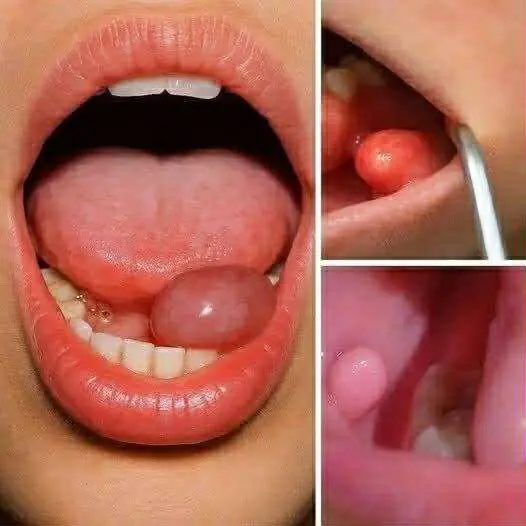
Many people ignore small changes in their mouths — a sore, patch, or bit of discoloration — assuming they’re harmless. However, these minor issues can sometimes signal something much more serious: oral cancer. This form of cancer often develops silently, showing few symptoms in its early stages but progressing rapidly if untreated. People over 40, smokers, and frequent alcohol consumers are at greater risk. Recognizing early warning signs such as persistent sores, numbness, or discoloration can make a life-saving difference.
Understanding Oral Cancer
Oral cancer affects the mouth, lips, tongue, gums, and nearby tissues. It is more common in men over the age of 40 and is frequently detected only after spreading to the lymph nodes in the neck. Early diagnosis, however, greatly improves survival rates.
Common Types of Oral Cancer
- Lip cancer
- Tongue cancer
- Inner cheek cancer
- Gum cancer
- Cancer of the floor of the mouth
If any unusual symptoms appear, it’s important to consult a dentist or specialist immediately. Regular dental check-ups — ideally twice a year — can help detect early warning signs before the disease progresses.
Warning Signs and Symptoms
In its early stages, oral cancer may not cause noticeable discomfort, but certain symptoms warrant attention, including:
- Mouth sores or ulcers that do not heal
- Swelling inside the mouth
- Loose teeth
- Unexplained bleeding
- Pain or difficulty swallowing
- Lumps in the neck
- Ear pain or persistent sore throat
- Numbness in the lips, chin, or face
- Red or white patches in the mouth
- Jaw stiffness or tongue pain
- Unexplained weight loss
These symptoms don’t always indicate cancer, but professional evaluation is essential if they persist for more than two weeks.
Causes and Risk Factors
Several behaviors and exposures significantly raise the risk of developing oral cancer:
- Smoking: Cigarettes, cigars, and pipes are major contributors.
- Tobacco chewing: Smokeless tobacco products can directly damage oral tissues.
- Excessive alcohol use: Chronic drinking increases susceptibility.
- HPV infection: Certain strains of human papillomavirus are linked to oral cancers.
- Poor oral hygiene and chronic irritation may also play a role.
Stages of Oral Cancer
Understanding the stage of cancer helps determine the best treatment plan:
- Stage 1: Tumor is less than 1 inch and hasn’t spread to lymph nodes.
- Stage 2: Tumor is 1–2 inches, still without lymph node involvement.
- Stage 3: Tumor is larger or has reached nearby lymph nodes.
- Stage 4: Advanced stage involving deeper tissues or distant spread.
Treatment Options
Treatment depends on the cancer’s stage and location:
- Surgery: Removal of the tumor; sometimes includes reconstructive procedures.
- Radiation therapy: High-energy beams destroy cancer cells while sparing healthy tissue.
- Chemotherapy: Anti-cancer drugs used alone or alongside radiation.
- Targeted therapy: Focuses on specific cancer cell mechanisms to prevent further growth.
Key Facts to Know
- Around 80% of oral cancer cases are linked to tobacco use.
- The average age of diagnosis is approximately 50 years.
- Men are more commonly affected than women.
- Early detection raises survival rates to about 82%, while late detection reduces it to around 27%.
Why Early Detection Matters
Regular dental visits and self-monitoring for unusual changes are vital. Neglecting oral health often leads to delayed diagnosis and poorer outcomes. Detecting the disease early can prevent complications, improve treatment success, and save lives.
Final Thoughts
Oral cancer may start quietly, but its consequences can be devastating. Pay attention to persistent sores, patches, or numbness in your mouth. Seek medical evaluation for any lasting or unusual symptoms. Staying alert, avoiding tobacco and alcohol, and scheduling routine dental check-ups are your best defenses against this silent but serious disease.
This information is intended for educational purposes only and should not replace professional medical advice or diagnosis.