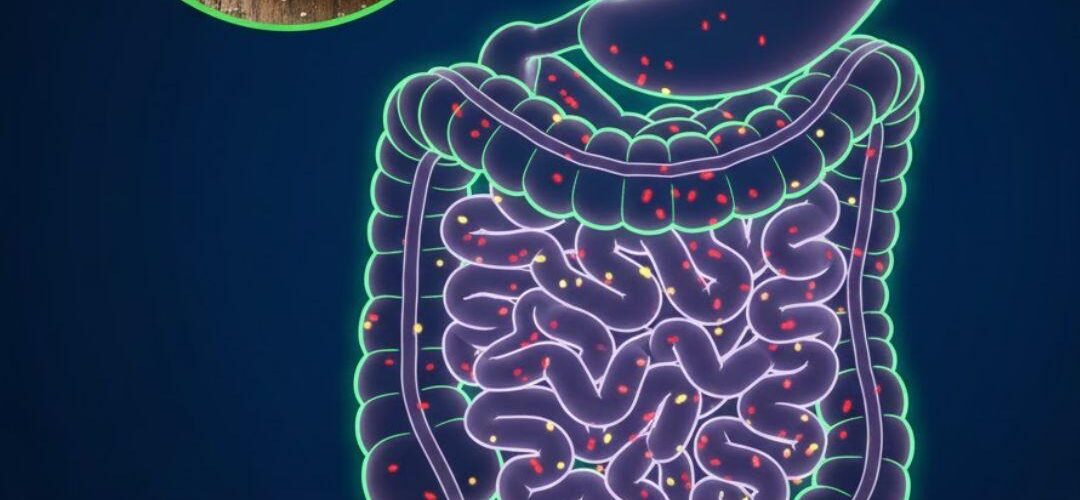
Haben Sie jemals innegehalten und über die Plastikwasserflasche in Ihrer Hand, die Verpackung Ihres Mittagessens oder gar die Luft, die Sie atmen, nachgedacht? Die beunruhigende Wahrheit ist: Winzige Plastikpartikel – Mikroplastik und noch kleinere Nanoplastikpartikel – sind mittlerweile Teil unserer alltäglichen Umwelt . Sie befinden sich nicht nur in den Ozeanen oder auf Mülldeponien; sie sind in unseren Lebensmitteln, unserem Wasser, unserem Boden – und nun, alarmierenderweise, auch in unseren Körpern .
Wissenschaftler haben Mikroplastik im menschlichen Blut, in der Lunge, im Hirngewebe, in der Muttermilch und sogar in Arterienablagerungen nachgewiesen . Das sind keine Einzelfälle – sie werden immer häufiger. Und obwohl die Langzeitfolgen dieser inneren Plastikbelastung noch erforscht werden, ist klar, dass dieses Problem uns noch lange begleiten wird.
Aber das Ermutigende daran ist: Sie sind nicht völlig Ihrer Umgebung ausgeliefert.
Auch wenn Sie nicht aufhören können zu atmen oder Plastik vollständig aus Ihrer Umgebung verbannen können, können Sie die natürlichen Abwehrkräfte Ihres Körpers unterstützen, um die Aufnahme von Mikroplastik zu verringern und dessen Ausscheidung zu verbessern – und alles beginnt mit einem der leistungsstärksten Systeme, die Sie bereits besitzen: Ihrem Darm .
Dieser Artikel erklärt wissenschaftlich fundierte Strategien , die die Schutzbarriere Ihres Darms stärken, Mikroplastik binden und aus Ihrem Körper transportieren sowie die dadurch verursachten Entzündungen reduzieren. Keine Detox-Trends. Keine extremen Kuren. Nur sinnvolle, nachhaltige Schritte, die Sie sofort umsetzen können.
🔑 Wichtigste Erkenntnisse
- Ihr Darm ist die erste Verteidigungslinie : Der Großteil der Mikroplastikaufnahme findet im Verdauungssystem statt – ein gesunder Darm ist daher Ihre erste und stärkste Verteidigung.
- Stärken Sie Ihre Darmbarriere : Halten Sie Mikroplastik aus Ihrem Blutkreislauf fern, indem Sie eine starke Darmschleimhaut aufrechterhalten.
- Kunststoffe mit löslichen Ballaststoffen binden : Bestimmte Fasern helfen dabei, Mikroplastik zu „binden“ und über den Stuhl auszuscheiden.
- Bekämpfen Sie Entzündungen mit Polyphenolen : Diese farbenfrohen Pflanzenstoffe unterstützen Ihr Mikrobiom und tragen dazu bei, durch Plastik verursachte Entzündungen zu reduzieren.
- Ausreichende Flüssigkeitszufuhr ist unerlässlich : Wasser hält die Verdauung und Ausscheidung in Gang – unterschätzen Sie seine Bedeutung nicht.
1. 🛡️ Stärken Sie die vorderste Verteidigungslinie Ihres Darms: Die Darmbarriere
Stellen Sie sich Ihre Darmschleimhaut wie einen Hochsicherheitskontrollpunkt vor . Sie besteht aus einer dünnen, aber widerstandsfähigen Zellschicht, die durch Proteine, sogenannte „Tight Junctions“, dicht verschlossen ist. Ihre Aufgabe? Essenzielle Nährstoffe durchzulassen und schädliche Substanzen wie Mikroplastik fernzuhalten .
However, when this barrier becomes compromised—a condition often referred to as leaky gut—those tight junctions loosen. Gaps open up, allowing microscopic particles (including nanoplastics) to slip through into your bloodstream. This doesn’t just cause local irritation—it can trigger chronic inflammation, immune reactions, and possibly contribute to the development of neurological and metabolic disorders.
Here’s how to reinforce this critical barrier:
✅ Nutrients That Heal and Seal:
- Collagen: Found in bone broth or as a supplement, collagen provides the amino acids (glycine, proline) needed to rebuild gut lining tissue.
- L-Glutamine: This amino acid is the primary fuel source for intestinal cells. Supplementing with 3–5 grams a few times a week can support tight junction integrity.
- Zinc and vitamin A: These nutrients help regenerate epithelial cells and maintain mucosal immunity.
📌 Pro Tip: Drink bone broth several times a week and consider L-glutamine supplementation if you suffer from digestive issues or chronic stress.
2. 🚫 Remove Gut-Damaging Offenders: Emulsifiers and Chronic Stress
Just as you need to add the right nutrients to heal the gut, you also need to remove what’s breaking it down.
🚨 Watch Out for Emulsifiers
Many processed foods contain emulsifiers to keep oil and water mixed together for a smooth texture. But ingredients like polysorbate 80 and carboxymethylcellulose have been shown in studies to disrupt the gut’s protective mucus layer, increase intestinal permeability, and provoke inflammation.
In fact, polysorbate 80 is commonly used in lab animals to intentionally create gut inflammation for study purposes. That alone should raise a red flag.
😰 The Impact of Chronic Stress
Stress isn’t just mental—it’s deeply physical. Elevated cortisol from prolonged stress weakens the gut barrier, suppresses digestive enzymes, and even alters your gut microbiota in ways that make it easier for harmful particles to pass through.
✅ What You Can Do:
- Read labels and avoid foods with polysorbate 80, carrageenan, and similar emulsifiers.
- Practice stress-reduction techniques: meditation, breathwork, light exercise, or nature walks can significantly lower gut-compromising cortisol levels.
- Minimize ultra-processed foods: They’re often high in gut-damaging additives and low in beneficial nutrients.
3. 🧽 Trap and Remove Plastics Using Soluble Fiber
Strengthening your gut wall is half the battle. The next step? Prevent absorption by capturing plastic particles and carrying them out of your body.
This is where bile acid sequestration becomes critical.
Your liver produces bile to digest fats, and bile binds to fat-soluble toxins—including microplastics. Soluble fiber helps bind to these bile acids, effectively forming a “net” that captures toxic compounds and escorts them out through the stool.
🌱 Best Sources of Soluble Fiber:
- Chia seeds
- Flax seeds
- Psyllium husk
- Oats
- Apples
- Beans and lentils
🧪 Studies show that microplastics are consistently found in human stool, confirming that this exit pathway works. The more effective your fiber intake, the more you can support this process.
📝 Tip:
Aim for at least 25–35 grams of fiber daily, including both soluble and insoluble types. Add chia to smoothies, ground flax to oatmeal, and eat whole fruits (not just juice) for optimal fiber intake.
4. 💧 Keep Things Moving: Hydration and Transit Time
Even the best fiber won’t help you if your digestive system is backed up. If food (and fiber-bound toxins) move too slowly through your gut, microplastics have more time to be reabsorbed—a scenario you want to avoid.
💦 Why Hydration Matters:
- Helps fiber form the gel-like consistency needed for toxin removal
- Supports regular bowel movements
- Assists in kidney function and lymphatic drainage
✅ Easy Hydration Rules:
- Drink half your body weight in ounces of clean, filtered water daily (e.g., 150 lb person = ~75 oz).
- Add herbal teas, mineral-rich broths, and water-dense foods (like cucumbers and watermelon) to boost hydration naturally.
⏱️ Bonus Tip: Aim for a bowel movement at least once daily. If you’re not regular, adjust fiber, water, and movement levels accordingly.
5. 🌈 Supercharge with Polyphenols: Gut Health’s Secret Weapon
While fiber moves things out, polyphenols support the gut’s internal environment, making it stronger, more resilient, and less inflamed.
These colorful plant compounds:
- Reduce gut inflammation (protecting the gut wall)
- Act as prebiotics (feeding good bacteria)
- Create postbiotics (anti-inflammatory compounds made by your gut microbes)
- Boost antioxidant defenses (e.g., glutathione and superoxide dismutase)
🌿 Top Polyphenol-Rich Foods:
- Berries (blueberries, raspberries, blackberries)
- Pomegranate
- Dark chocolate (85%+)
- Green tea
- Turmeric
- Olive oil
- Colorful veggies (red cabbage, beets, spinach)
🧬 Einige Polyphenole helfen sogar dabei, Schäden durch bereits im Körper vorhandene Kunststoffe zu mindern , indem sie oxidativen Stress reduzieren und die Aktivität von Entgiftungsenzymen steigern.
🧠 Fazit: Der Darm als Ihr eingebauter Entgiftungsschutz
Ja, das Problem der Mikroplastik ist global, komplex und beunruhigend. Aber Ihr Körper ist nicht wehrlos .
Indem Sie sich auf die Darmgesundheit, eine intelligente Ernährung, ballaststoffreiche Lebensmittel, ausreichende Flüssigkeitszufuhr und entzündungshemmende Maßnahmen konzentrieren , können Sie die Aufnahme von Plastik einschränken und die Ausscheidung verbessern – und das alles durch alltägliche Entscheidungen.
🔁 Schneller Aktionsplan:
- Die Darmwand mit Kollagen und L-Glutamin stärken
- Vermeiden Sie Emulgatoren und gehen Sie mit chronischem Stress um.
- Füge lösliche Ballaststoffe hinzu, um Kunststoffe einzufangen und auszuscheiden.
- Trinken Sie ausreichend, um einen regelmäßigen Stuhlgang zu gewährleisten.
- Überfluten Sie Ihren Körper mit entzündungshemmenden Polyphenolen.
Wir können Plastik noch nicht vollständig aus unserer Umwelt verbannen – aber wir können verändern, was passiert, wenn es in unseren Körper gelangt. Beginnen Sie damit, einen widerstandsfähigen, reaktionsfähigen Darm aufzubauen, der Sie von innen heraus schützt.