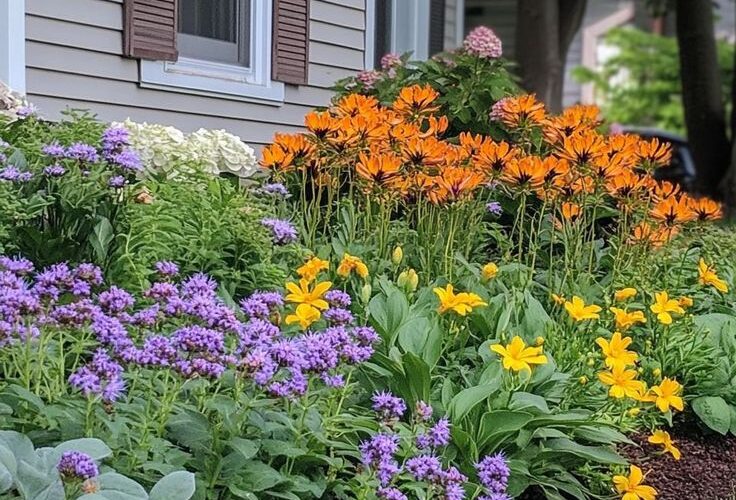
Obwohl ein Garten voller Pflanzen schön aussieht, hat nicht jeder Freude an seiner Pflege. Die Pflege eines gepflegten Gartens ist zu viel, wenn Beruf, Kinder, Hausarbeit und der Alltag die meiste Zeit in Anspruch nehmen. Es ist einfach unmöglich, Zeit für die Gartengestaltung zu finden.
Die gute Nachricht ist jedoch, dass Sie weder auf Blumen noch auf einen schönen Garten verzichten müssen. Es gibt Pflanzen und Sträucher, die Ihre neue Wachstumssaison zu einem tollen Start verhelfen. Dank des geringen Pflegeaufwands können Sie ein schönes Haus haben, ohne Ihre wertvolle Zeit mit der Pflege zu verbringen. Sobald sie sich etabliert haben, müssen Sie sich im nächsten Jahr nicht mehr um das Pflanzen frischer Blumen kümmern.
Die Top 19 unserer Liste sind für alle gedacht, die gerne pflanzen und sich fast gar nicht mehr darum kümmern. Es sind unkomplizierte, pflegeleichte Pflanzen, die in einem Kübel oder Garten fantastisch aussehen.
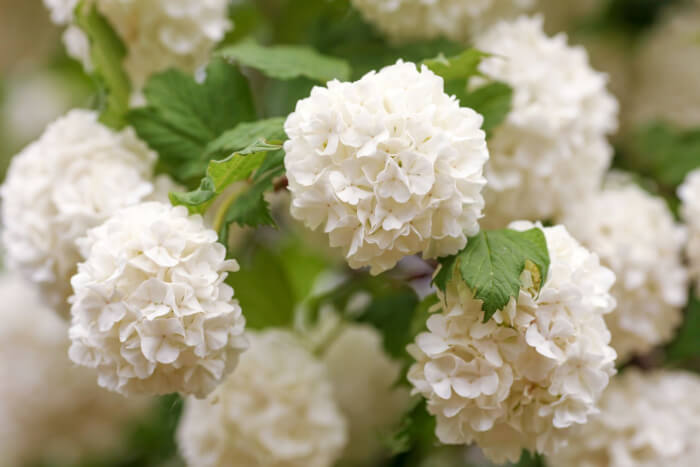
Nr. 1. Schneeball
Quelle: The Spruce
Eigenschaften: Viburnum eignet sich für alle Bodenarten, sowohl in der Sonne als auch im Schatten. Es ist robust, anpassungsfähig und einfach zu kultivieren. Obwohl sie kurze Trockenperioden überstehen, benötigen die Pflanzen irgendwann Wasser. Viburnum-Arten gibt es auch in immergrünen Varianten.
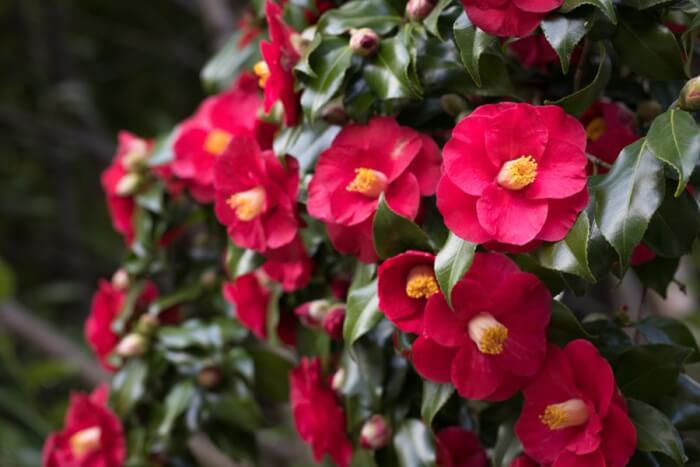
#2. Kamelie
Quelle: Gartengestaltung
Eigenschaften: Diese mehrjährige Pflanze ist pflegeleicht und immergrün. Sie eignet sich perfekt für Kübelpflanzen. Ihre prächtigen Blüten, erhältlich in Weiß, Rosa und Rot, blühen früh im Herbst und reichen bis in den April. Manche Arten haben eine Lebensdauer von bis zu 100 Jahren.
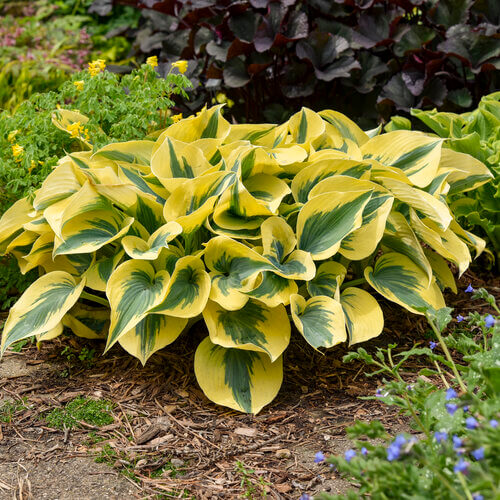
#3. Funkie
Quelle: Bewährte Gewinner
Eigenschaften: Sie gehören zu den schönsten Blattpflanzen. Sie haben eine lange Lebensdauer und sind einfach zu kultivieren. Funkien gibt es in einer großen Vielfalt an Blattformen, -größen und -farben. Funkien sind winterharte Stauden, die kaum Pflege benötigen und sich ideal für Gärten mit wenig Sonnenlicht eignen.
#4. Flieder
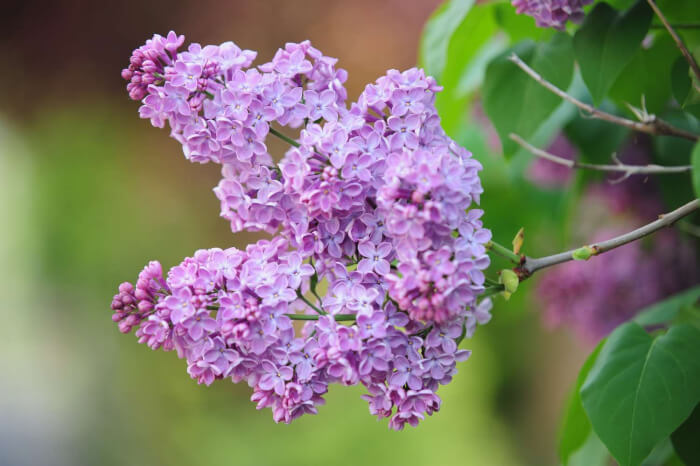
Quelle: The Spruce
Eigenschaften: Der Anbau von Flieder ist einfacher als Sie vielleicht denken. Pflanzen Sie ihn in voller Sonne, in neutralem bis alkalischem Boden, der feucht, aber gut durchlässig ist. Nach der Blüte schneiden Sie die Pflanzen zurück, damit sie nicht zu lang werden. Jedes Frühjahr belohnt Sie Flieder mit süß duftenden Blüten.
Nr. 5. Buntnessel
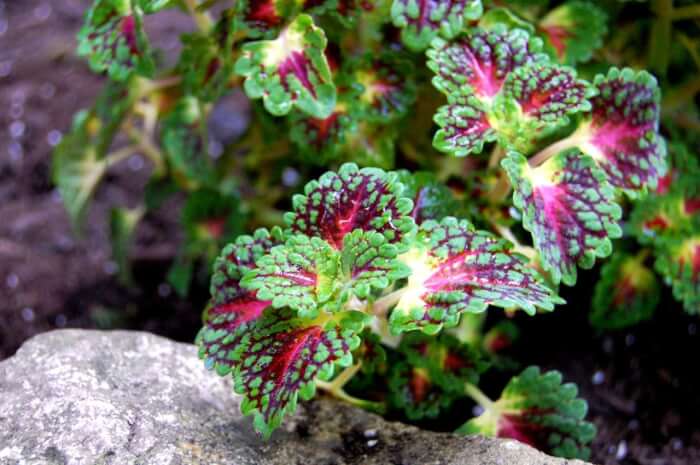
Quelle: The Spruce
Eigenschaften: Coleus ist eine der am einfachsten zu ziehenden und zu vermehrenden Pflanzen. Die Pflanzen wurzeln so leicht, dass Stecklinge sogar in einem Glas Wasser gezogen werden können. Einige Wochen vor dem erwarteten letzten Frühlingsfrost können Sie sie auch im Haus aus Samen ziehen.
#6. Pfingstrosen
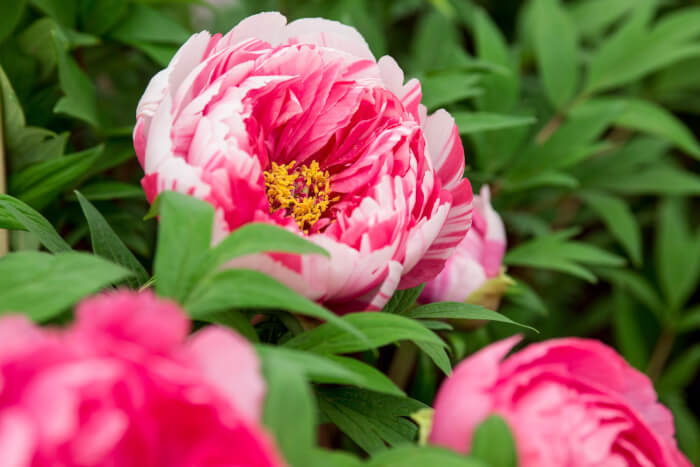
Quelle: Gardeners World
Characteristics: Peonies are simple plants to cultivate. Plant your peony in soil that drains properly because they require a lot of water as long as it doesn’t become soggy at any time of the year. Peonies are easy to grow, low maintenance, extremely hardy and offer decades of charm, with some producing blooms for 100 years.
#7. Ajuga
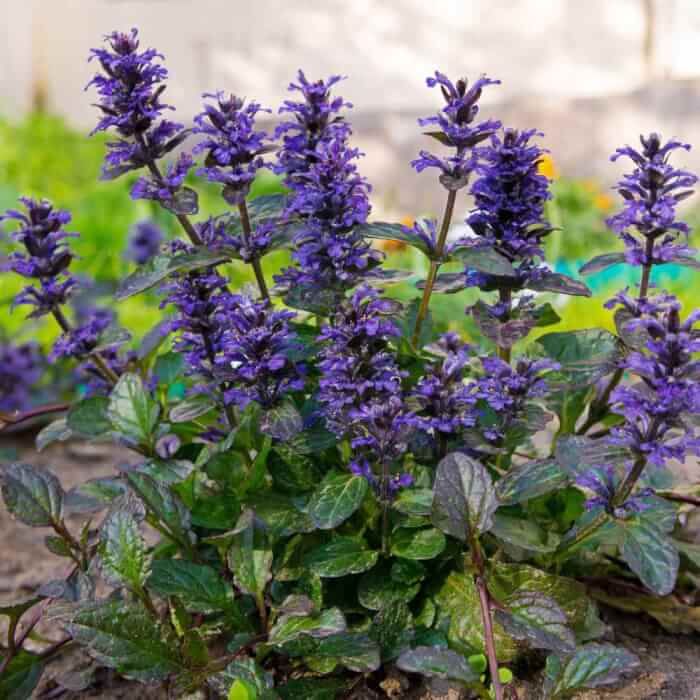
Source: Outside Pride
Characteristics: Ajugas are very adaptable and may be grown in any type of soil. They like a wet environment with good drainage, but they can also endure brief droughts. Ajugas are ground-covering plants with blue to purple blooms and leaves that can be green, purple, bronze, or black.
#8. Euphorbia
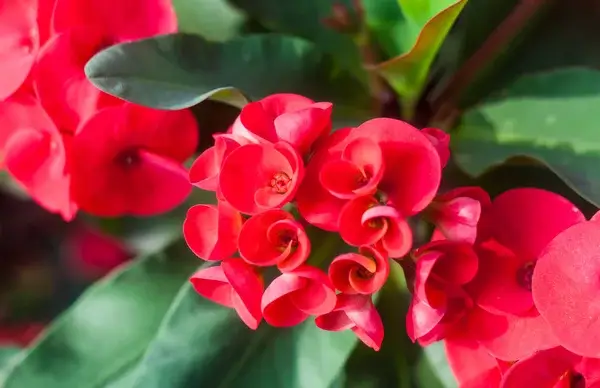
Source: Depositphotos
Characteristics: Euphorbias are simple to maintain and have a year-round exotic and stunning appearance. They are an excellent addition to a mixed planting strategy since they give it shape and texture. They go well with vibrant shrubs and perennials.
#9. Lantana
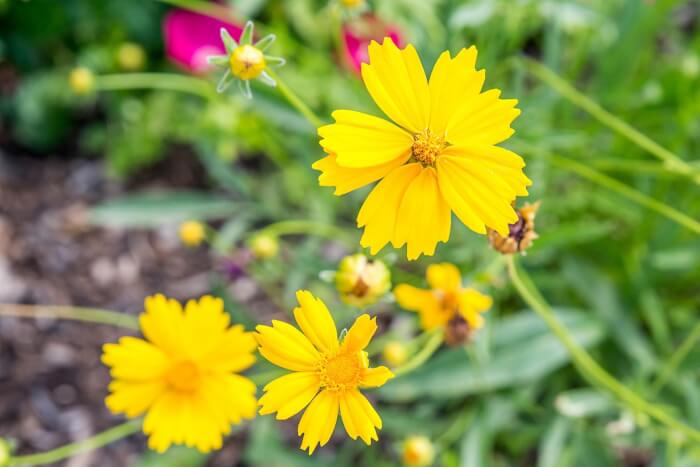
Source: Dr. Giuseppe Mazza
Characteristics: A lovely and simple to cultivate garden plant is lantana. It is hardy, tolerant of dryness, has lengthy blooms, and draws butterflies. Its gorgeous flower clusters come in a range of colors, occasionally blending many colors.
#10. Persian Shield
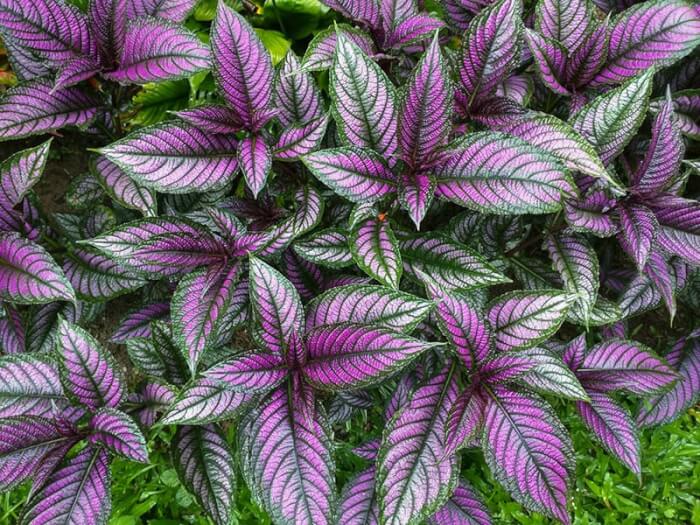
Source: Trees.com
Characteristics: Stem cuttings may be used to start planting them extremely quickly. This method is common to many delicate perennials. They grow best in the spring and early summer. For the Persian shield plant to thrive, warmth and humidity are essential.
#11. Coreopsis
Source: The Spruce
Characteristics: These plants do well in loamy or sandy soil that drains well and has a quite neutral pH. However, the majority of Coreopsis cultivars are fairly simple to cultivate and don’t care much about the pH or quality of the soil as long as it isn’t soggy.
#12. Agave
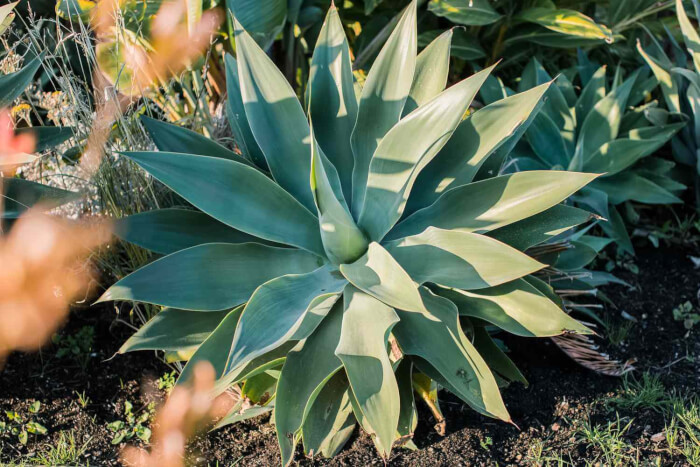
Source: Quora
Characteristics: If you plant the appropriate type in the proper place, growing agave is simple. Agaves require direct sunlight and loose, percolating soil. They can even flourish when potted but use an unglazed clay pot to enable excess moisture to evaporate.
#13. Catmint
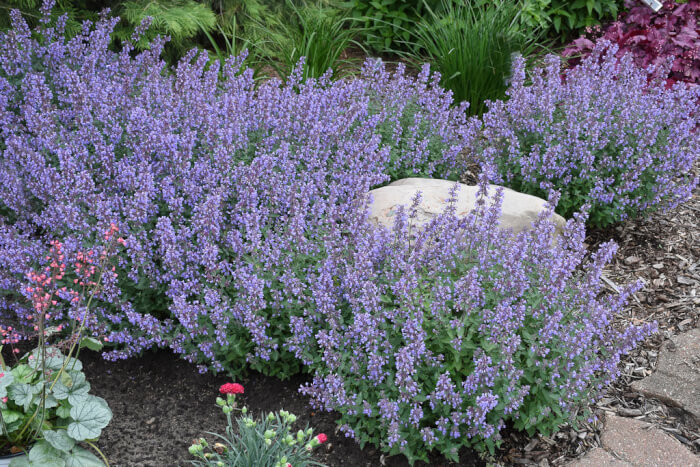
Source: Proven Winners
Characteristics: Catmint grows quickly and needs little maintenance once it is established. Flowers are produced over an extended period of time, but it’s a good idea to cut them down after blooming to keep the plant tidy and to stimulate the formation of more. Cut down the dead stems as soon as the growth in late fall dies back so that new growth may start in the spring.
#14. Butterfly Weed
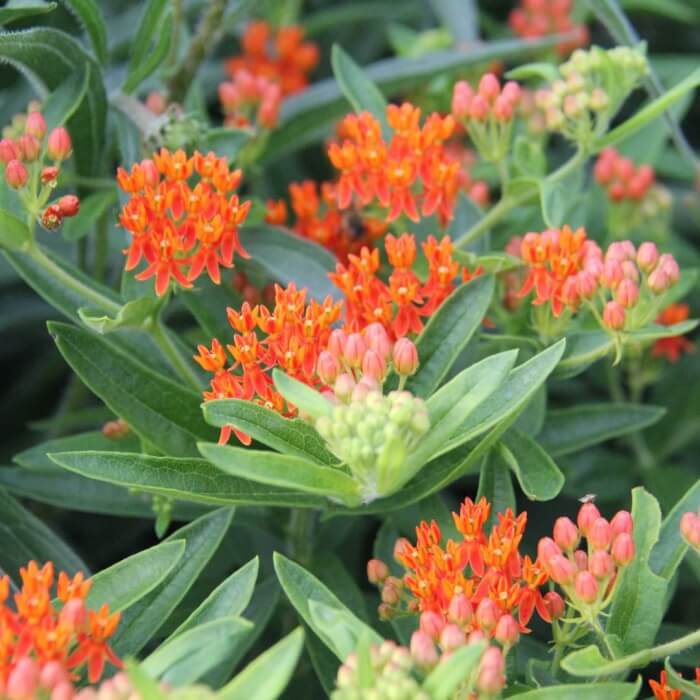
Source: rbgcanada
Characteristics: Butterfly weed requires very little effort. The plant thrives in direct sunshine and poor, dry, sandy, or gravelly soil with a pH of either neutral or slightly acidic.
#15. Lamb’s Ear
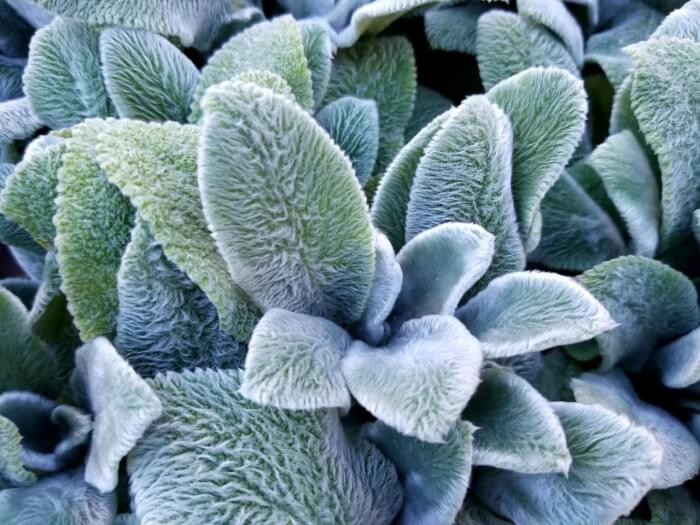
Source: HGTV
Characteristics: They are exceptionally drought resistant, like many silvery plants. Lamb’s Ears are simple plants to cultivate and are ideal for rock gardens or a dry area of medium soil in a garden bed.
#16. Queen Anne’s Lace
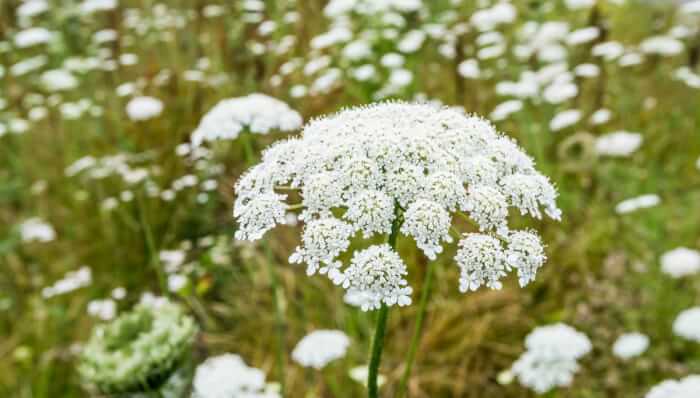
Source: Farmer’s Almanac
Characteristics: Wildflower-like in nature, this lovely plant is easy to grow and proliferates rapidly, spreading its plentiful seeds freely through the breeze. Queen Anne’s Lace flowers also draw beneficial pollinators to the garden like bees and butterflies, making it a friendly companion plant in the backyard garden.
#17. Lavender
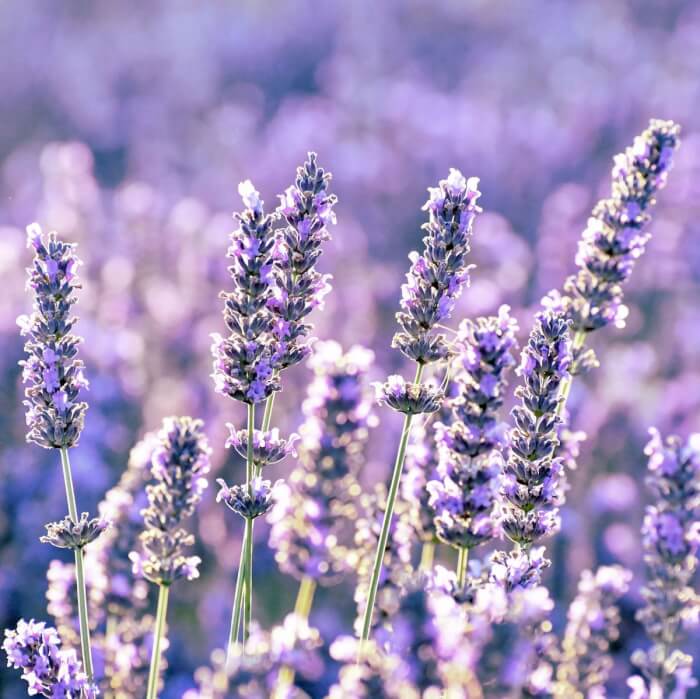
Source: The Pioneer Woman
Characteristics: Growing lavender is simple and fruitful. Both garden beds and containers may be used to cultivate lavender. Lavender needs full light and well-drained soil to thrive effectively. Lavender thrives as a perennial in dry locations, yet it’s frequently cultivated as an annual there.
#18. Snapdragon
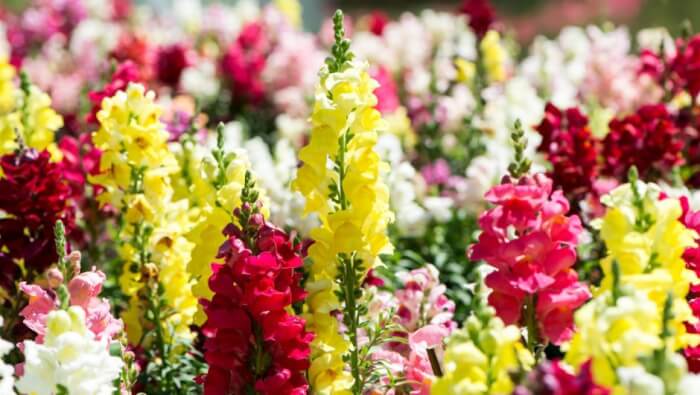
Source: Truly Experiences
Characteristics: In order for your garden’s snapdragons to blossom joyfully, you just need to provide them with the most basic flower care. They also self-seed. Snapdragons may be grown in borders or pots in the majority of rich, well-drained soils in full sun.
#19. Cleome
Source: Nature & Garden
Characteristics: Once planted, cleome is relatively simple to cultivate, and direct seeding may be the best method. Once the plants are stably grown, any typical garden soil will work, including arid locations. If you wish to prevent Cleome from self-sowing, cut blossom heads before the seeds develop.
#20. Caladium
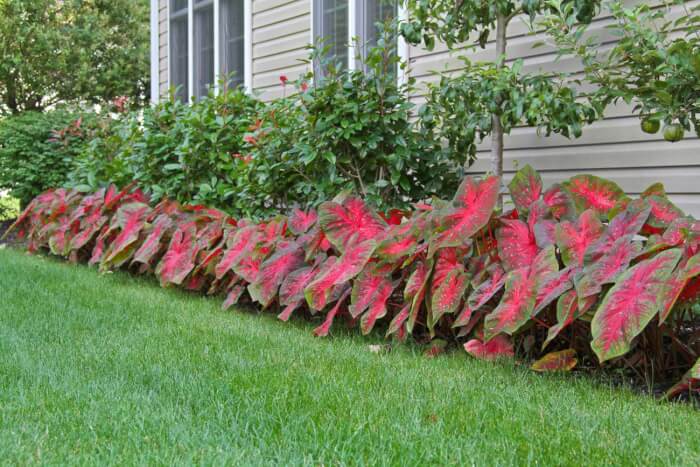
Source: Longfield Gardens
Characteristics: Caladiums are relatively simple to plant. With the eyes up, plant the bulb’s top 11/2 to 2 inches below the surface. Peat moss may be added to sandy soil to help it retain moisture. Keep the area wet all season long by applying mulch around the plants.
#21. Black-Eyed Susan
Source: Better Homes & Gardens
Characteristics: When it comes to simple growth and strong bloom power, they are just impossible to be defeated. Black-eyed Susans can make a wonderful addition to a pollinator garden. Hummingbirds, butterflies, and birds devour the plant’s seeds and nectar, especially goldfinches.
#22. Daylily
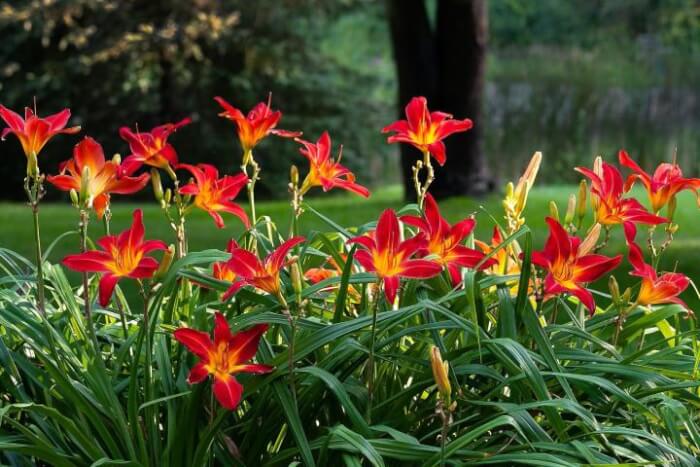
Source: The Old Farmer’s Almanac
Characteristics: The daylily is a very low-maintenance perennial that requires practically no upkeep. It is simple to grow, nearly completely free of diseases and pests, and resistant to drought, uneven sunshine, and bad soil. Additionally, there are a huge variety of stunning daylilies available.
#23. Yaupon Holly
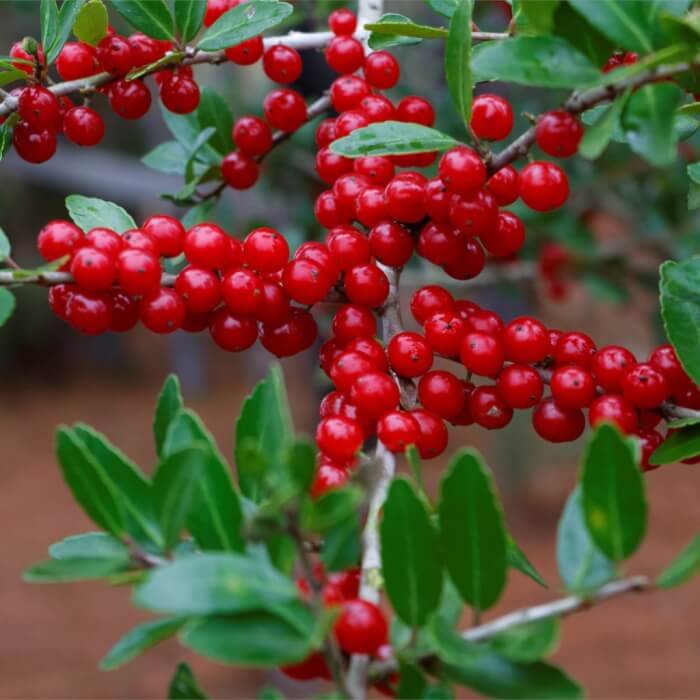
Source: Nature and Garden
Characteristics: Yaupon is simple to grow because it is indigenous. The southeast region of the United States, notably from Virginia through Florida and west to Texas, is where it comes from. Yopon Holly should be planted in a sunny area. Even though it can withstand afternoon shadow, full light produces better fruit.
#24. Spiraea
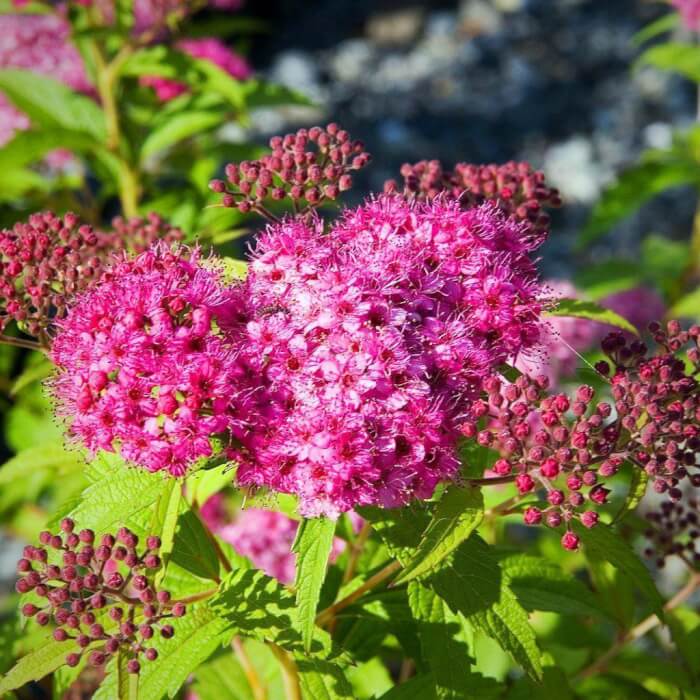
Source: Mainaam Garden
Characteristics: Species of Spirea are some of the simplest blooming shrubs to cultivate. These lovely shrubs grow quickly and benefit from full light for the maximum blooms. However, they can withstand some shade. Some flowers bloom in the spring, while others do so in the summer.
#25. Clethra
Source: paul.a.nikolsky
Characteristics: Summersweet or sweet pepperbush, also known as Clethra, are quite simple to cultivate if they are planted properly and in a suitable location. They work particularly well massed or clustered in butterfly and hummingbird gardens, sunny or shaded flowering shrub borders, and other landscape designs.
#26. Sourwood
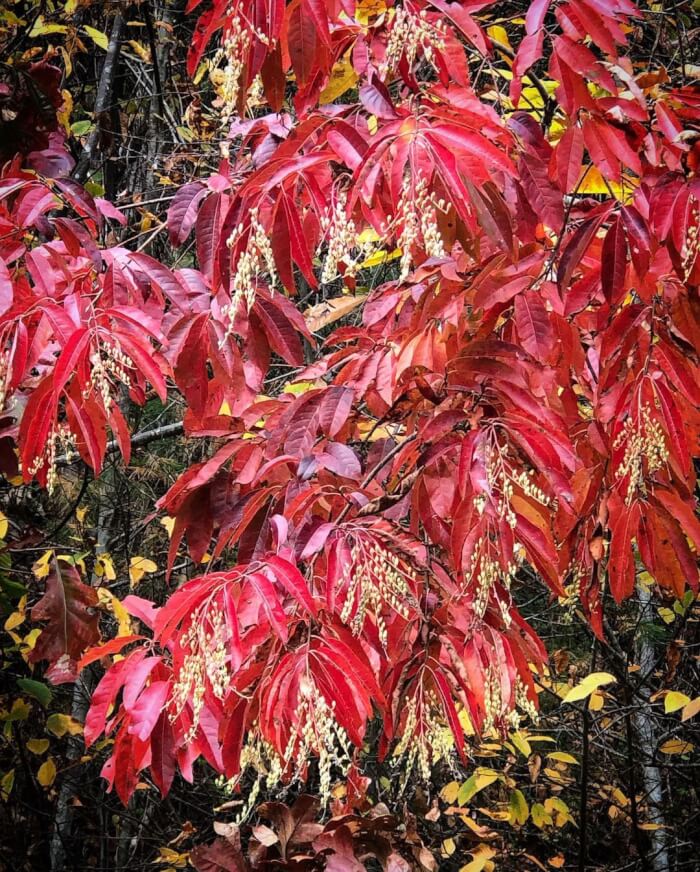
Source: the.unhurried.path
Characteristics: Since sourwood has a thick root structure, it is notorious for being challenging to transplant or relocate. Small plants cultivated in containers work best for their growth. It is advisable to plant sourwood trees in well-draining, somewhat acidic soil if you want them to thrive.
#27. Buckwheat
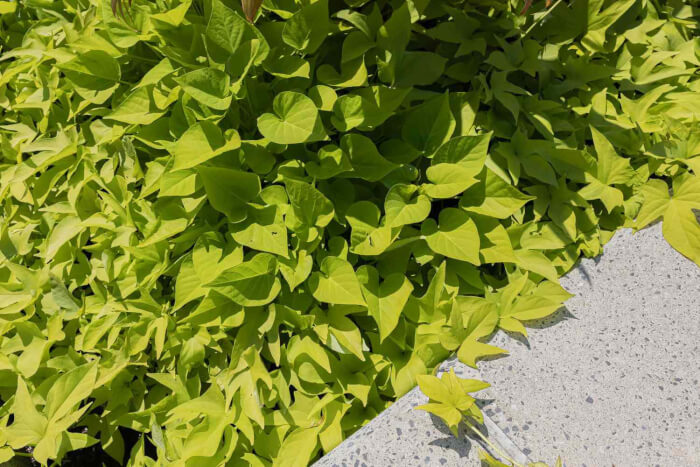
Source: Outside Pride
Characteristics: One of the least picky plants in terms of time and space requirements is buckwheat. In between your other garden plants throughout the warm months, you can sprout more seeds. The first frost kills buckwheat plants.
#28. Sweet Potatoes
Source: The Spruce
Characteristics: Surprisingly, sweet potatoes are simple to grow. A few plants may readily provide a sizable crop since the vines root anywhere they reach the soil.
#29. Blueberries
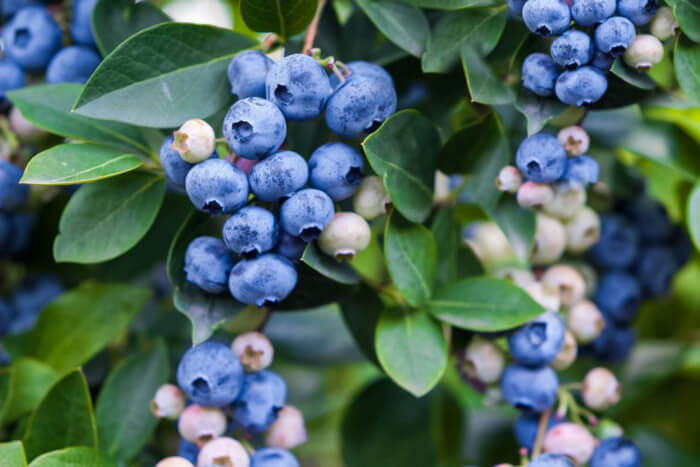
Source: The Spruce
Characteristics: Blueberry bushes are simple to cultivate and require little maintenance. The most important thing to keep in mind is that they require acidic soil and, ideally, precipitation for irrigation. Blueberries thrive in pots if your garden doesn’t have acidic soil.
#30. Amaranth
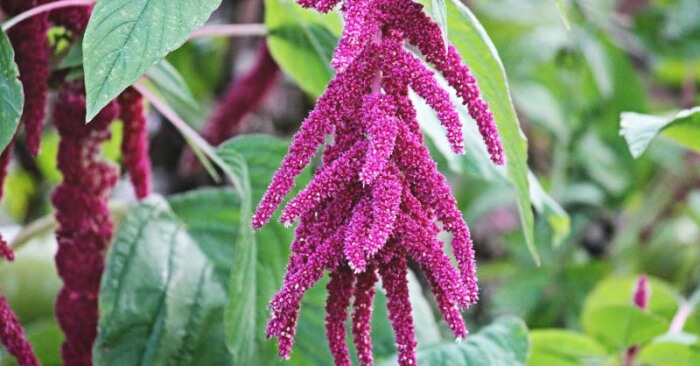
Source: Morning Chores
Characteristics: Amaranth is very easy to grow. They prefer a warm climate, full sun, and well-drained soil. Water them during dry periods, once or twice per week.
#31. Chickpeas
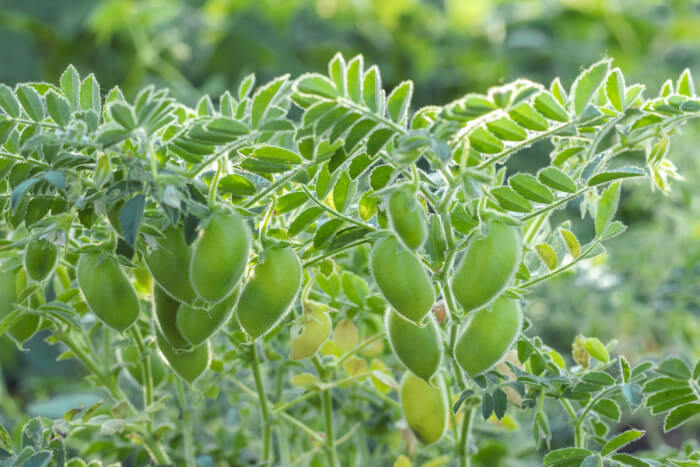
Quelle: Masterclass
Eigenschaften: Kichererbsen sind resistent gegen viele Schädlinge und Krankheiten und vertragen Trockenheit gut. Da sie als Hülsenfrucht Stickstoff im Boden bindet und so den Ertrag steigert, gilt sie als einfach im Anbau.
#32. Rüben
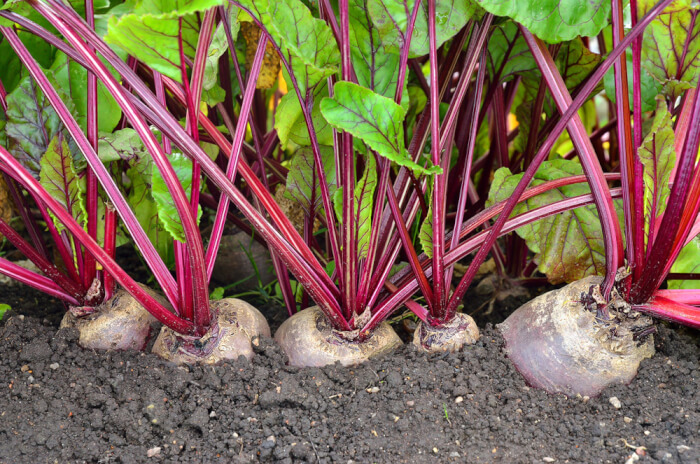
Quelle: Just Beet It
Eigenschaften: Rote Bete, auch als „Rote Bete“ bekannt, ist eine kräftige, kühle Pflanze, die sich in voller Sonne schnell entwickelt und sich in nährstoffreichem Boden einfach aus Samen ziehen lässt. Da sie Frost und Temperaturen nahe dem Gefrierpunkt standhält, ist sie eine hervorragende Option für Gärtner im Norden. Sie eignet sich daher hervorragend als Herbstfrucht.
#33. Flachs
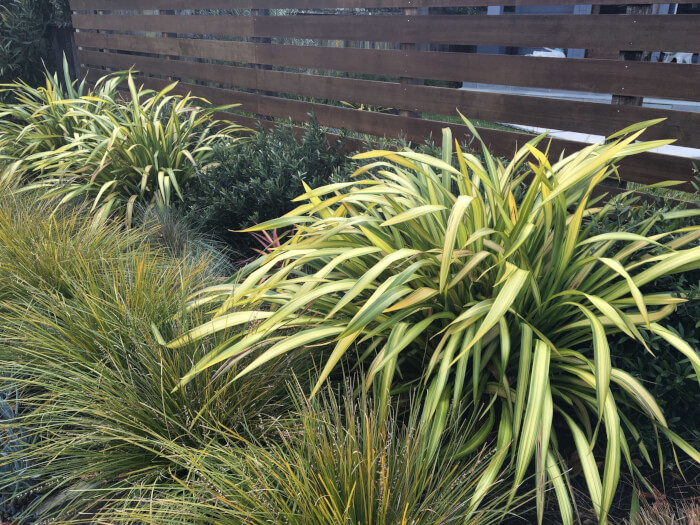
Quelle: Gardenista
Eigenschaften: Angesichts seiner vielfältigen Verwendungsmöglichkeiten mag es überraschend sein, dass Flachs eine robuste kleine Pflanze ist, die gleichzeitig zu den am einfachsten zu pflanzenden Gartenpflanzen gehört. Wenn der fruchtbare Boden bearbeitbar ist, können Sie Ihre Samen im Freien aussäen, da Flachs volles Licht und kühle Temperaturen bevorzugt.